
Practice today. Confidence tomorrow.
Simulation recreates selected aspects of real-world practice so learners can explore, rehearse and reflect in a controlled educational setting.
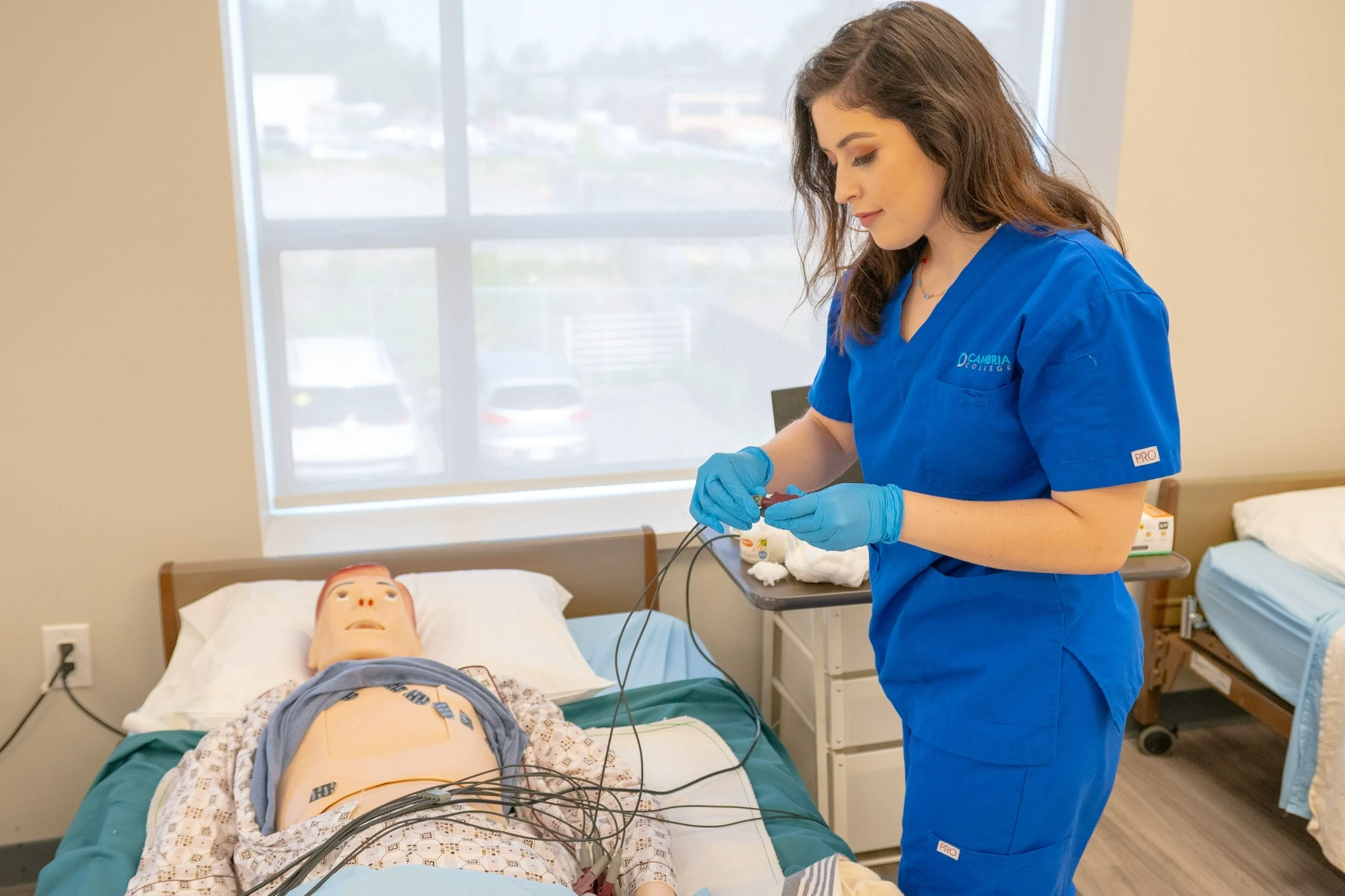
Learning through doing.
A physical task trainer can help learners repeat a particular technique. A patient simulator can bring a clinical scenario to life. A virtual anatomy platform can make complex spatial relationships easier to explore.
The value comes from how these tools are used: clear objectives, appropriate supervision, repeated practice, feedback and debriefing. Simulation complements clinical and practical education; it does not replace supervised real-world experience.
Skills in your hands
Task trainers, anatomical models and patient simulators for selected practical techniques.
See beyond the surface
Interactive anatomy, virtual dissection and medical image exploration.
Step into a scenario
XR environments for guided exploration, collaboration and clinical reasoning.
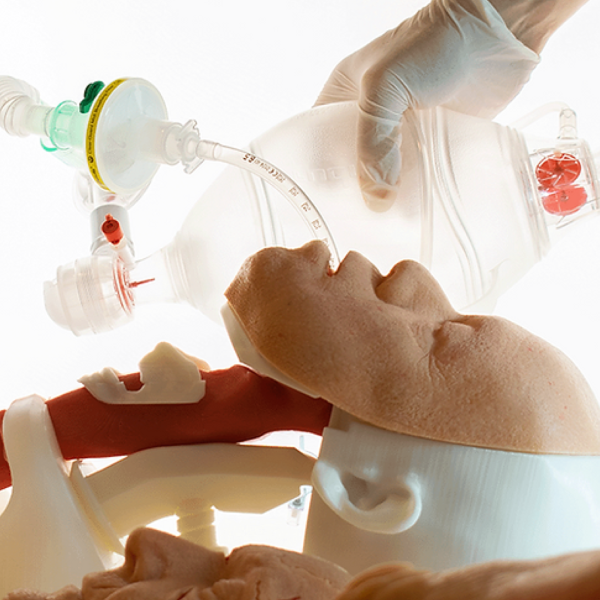
Practise one skill at a time.
A dedicated task trainer lets learners focus on a procedure before moving to a wider scenario.
11 million
Projected global health worker shortfall by 2030
The World Health Organization estimates this shortage will be concentrated mostly in low- and lower-middle-income countries. Strengthening education and training is part of a wider workforce challenge.
Read WHO’s health workforce overview ↗Source: WHO, Health workforce. This is workforce context, not a claim that simulation alone resolves the shortage.
Start with the learner.
Define the skills. Map the curriculum. Consider learner numbers, space, accessibility, instructor preparation and ongoing consumables. Then choose technologies that serve those objectives.
Explore common questions ↗