Bovine obstetrics
The BoDys range supports bovine dystocia teaching, with Model 1 representing a Holstein Friesian cow and Model 2 a Hereford cow. Review each model’s documented components and training functions against your obstetrics curriculum.
 Let’s talk ↗
VetLifes
Veterinary simulators developed around practical teaching, repeated learning and a deep respect for animal welfare.
Plan a demonstration ↗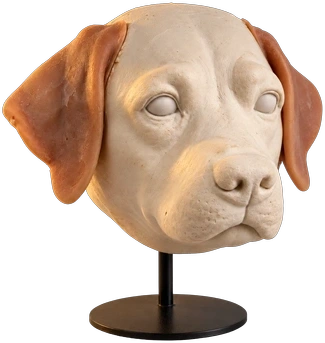
VetLifes is the veterinary simulation brand of Axes Medverse. Its range connects species-specific anatomy with selected practical procedures across obstetrics, clinical skills, surgery and suturing. Models are made to order, with institutional needs guiding discussions about design and customisation. The focus is purposeful practice before supervised work in real veterinary settings.
A good fit for: Veterinary colleges, universities, animal-health training institutions and clinical-skills labs planning practical teaching stations.
A teaching lab works best when each station has a defined purpose. An obstetric model, a vascular-access trainer and a surgical model serve different learning needs. Start with the competencies your students need, then select a sequence of stations that connects preparation, practice and feedback.
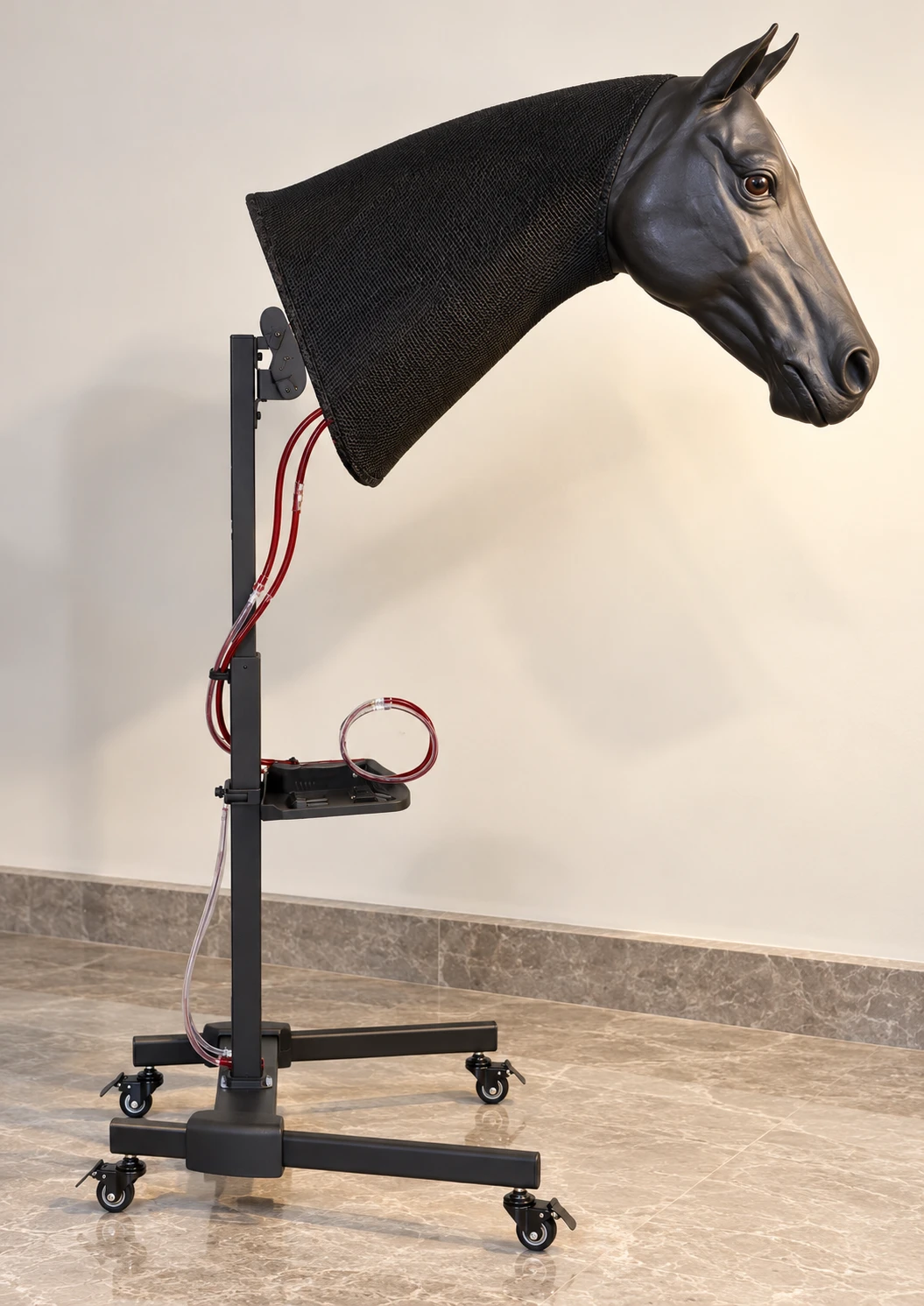
EquNec provides an equine neck and head for practising jugular vein identification, venipuncture and intramuscular injection techniques in supervised skills sessions.
The BoDys range supports bovine dystocia teaching, with Model 1 representing a Holstein Friesian cow and Model 2 a Hereford cow. Review each model’s documented components and training functions against your obstetrics curriculum.
ShiDys provides a sheep-focused obstetric training route. A species-specific model allows educators to frame practice around the relevant anatomy and teaching objectives rather than treating all obstetric simulation as interchangeable.
The collection includes bovine and equine injection or venipuncture trainers as well as tail and other clinical-skills models. Confirm the intended procedure, access locations and replaceable parts for each model before specifying it.
Documented models include otoscopy, intubation and vascular-access trainers. A focused task station lets faculty isolate one learning need, give feedback and allow repetition within a supervised session.
Canine and feline surgical trainers support selected practical learning objectives. Institutions should compare each model’s intended tasks, included components, consumables and reset requirements with the planned teaching session.
Tissue pads and training accessories provide a separate pathway for suturing practice. Select the appropriate material and format for the teaching objective, and agree how wear, replacement and learner use will be managed.
VetLifes researches, designs and develops physical simulators in-house. Share the species, procedure and desired learning outcomes when discussing a custom project. Feasibility, specification and timelines are agreed before production.
Models can provide additional practice opportunities before selected activities involving live animals. Their role should be planned alongside appropriate supervision, institutional ethical requirements and the wider curriculum.
Tell us the species, procedure, learner numbers and intended competence level. Describe where your current practical teaching needs more opportunity for repetition.
Review existing models and any proposed customisation. Confirm supplied parts, consumables, maintenance needs and the final configuration.
Give each station a clear task, faculty guidance and a feedback method. Review consumable use and model condition as part of the teaching routine.
Share your curriculum, learner numbers, room layout, intended teaching activities and existing equipment. We can then discuss the appropriate solution and the details that need to be confirmed.
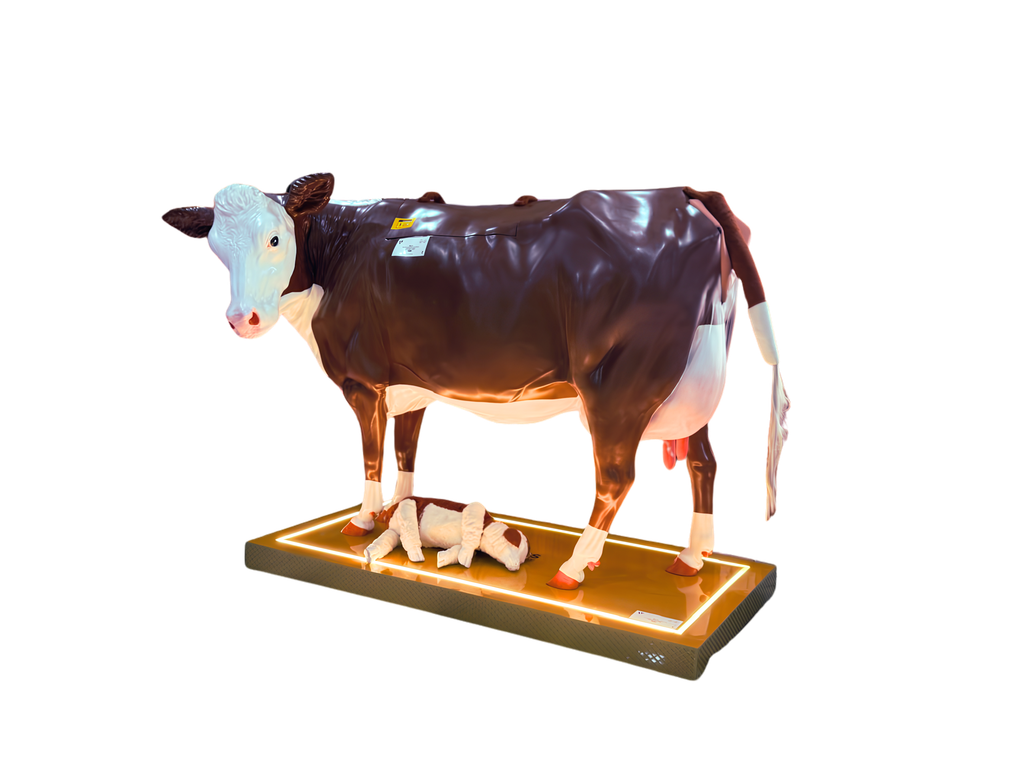
Use a bovine model for supervised calving scenarios and a structured debrief.
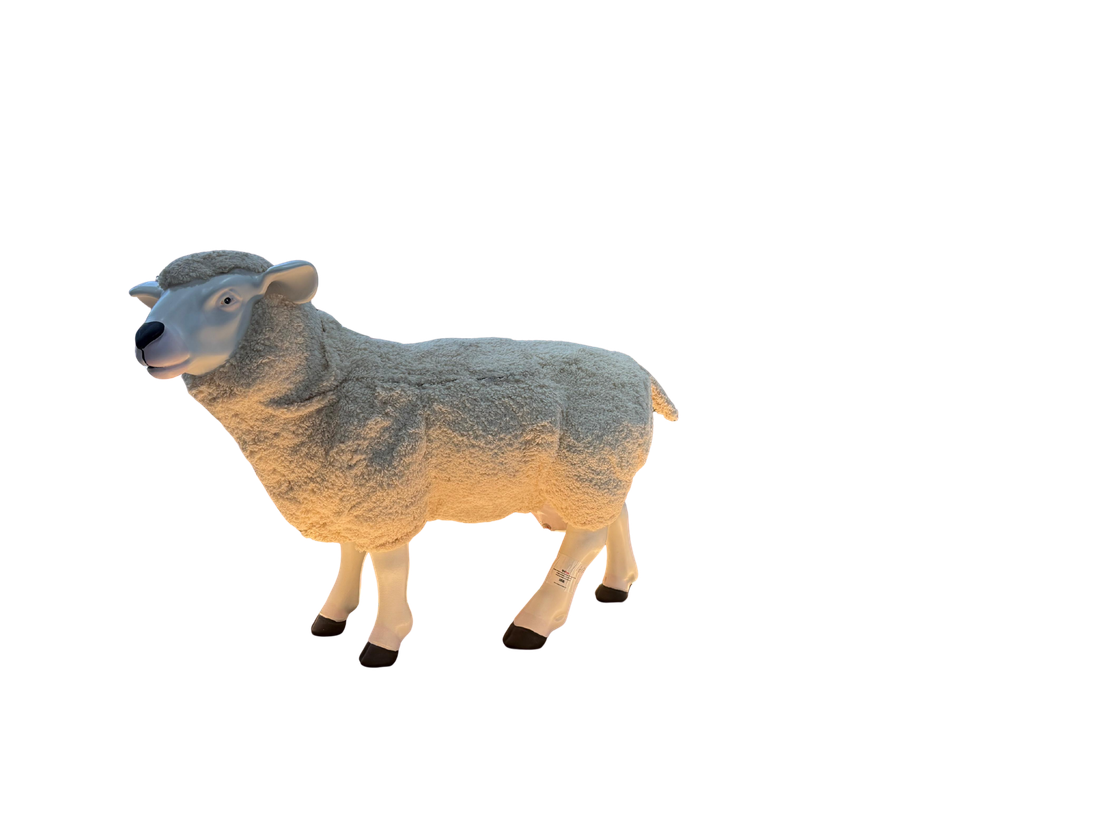
Give learners a species-specific station for repeatable sheep handling and examination practice.
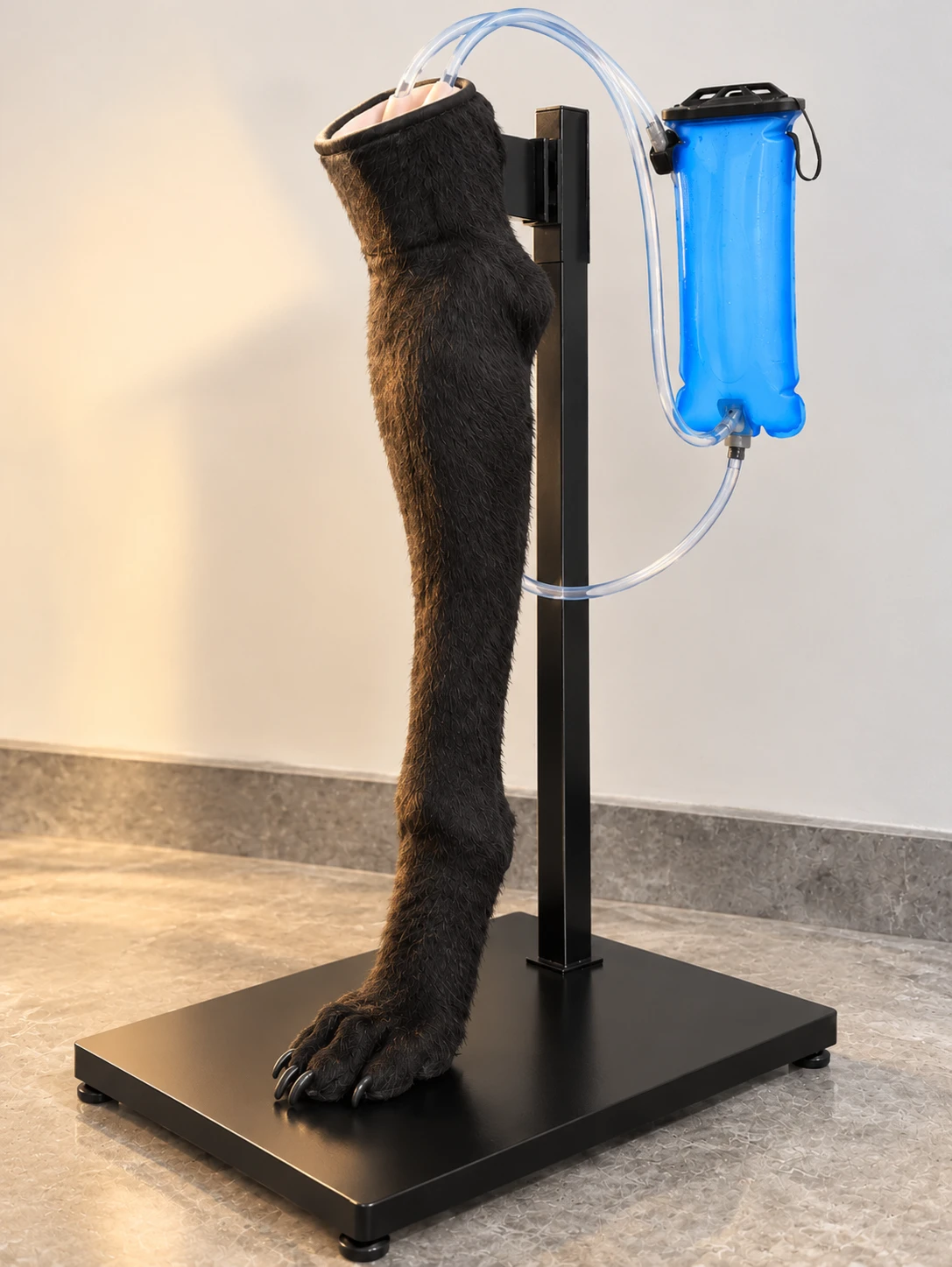
Use a species-specific task trainer to organise supervised procedural practice. Match the model to the examination, access or handling skills included in the lesson.
Select a model and station layout based on the skills your programme assesses.
Use a replaceable tissue model to rehearse handling, incision and closure under supervision.
Set up repeated suture and knot practice with a consistent checklist and instructor feedback.
Select a skin pad around the species and the skill being taught. These silicone tissue models support repeated incision and wound-closure practice.
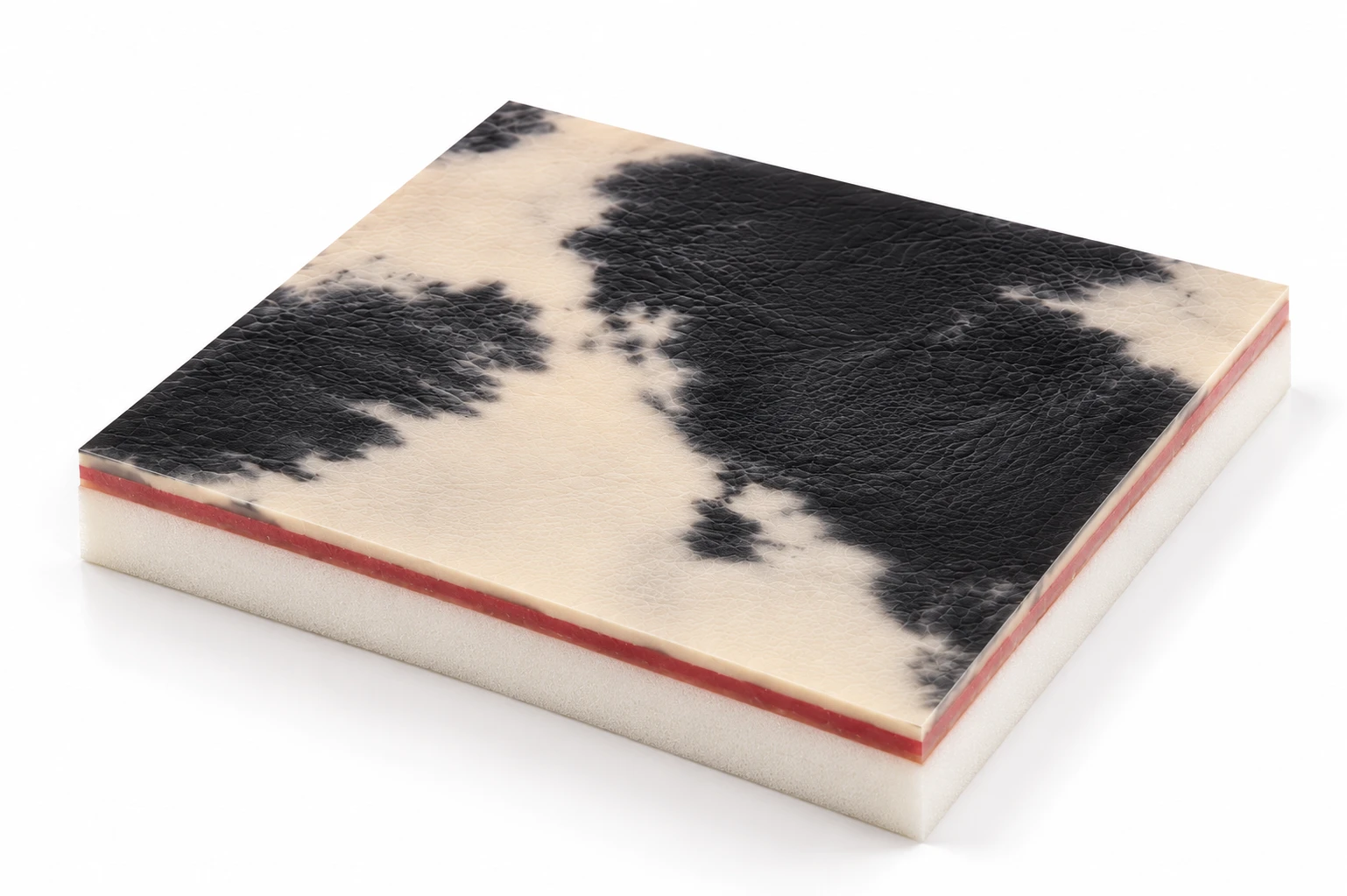
A layered tissue model for handling, incision and closure exercises.
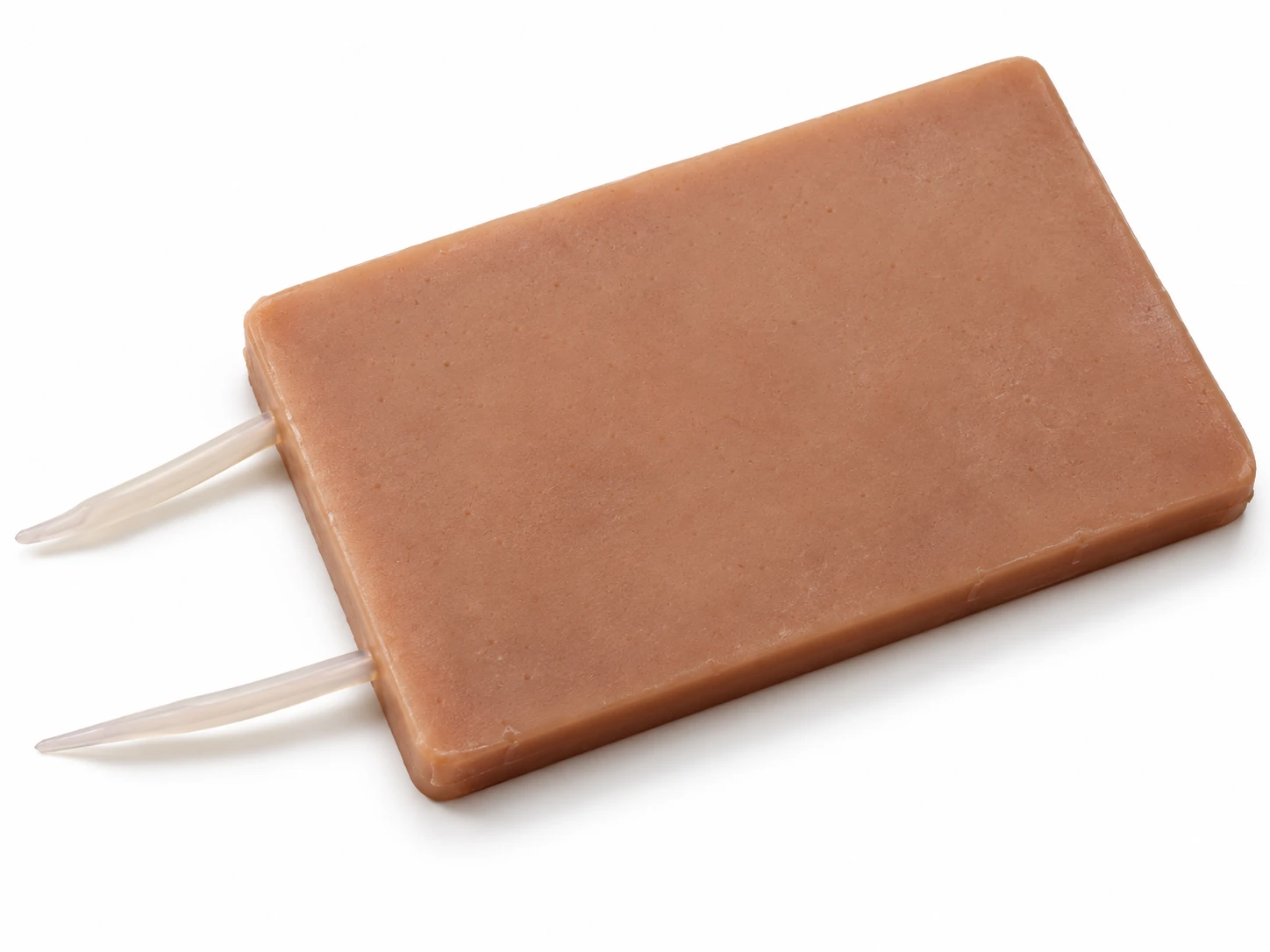
A tissue pad with tubing for focused procedural teaching.
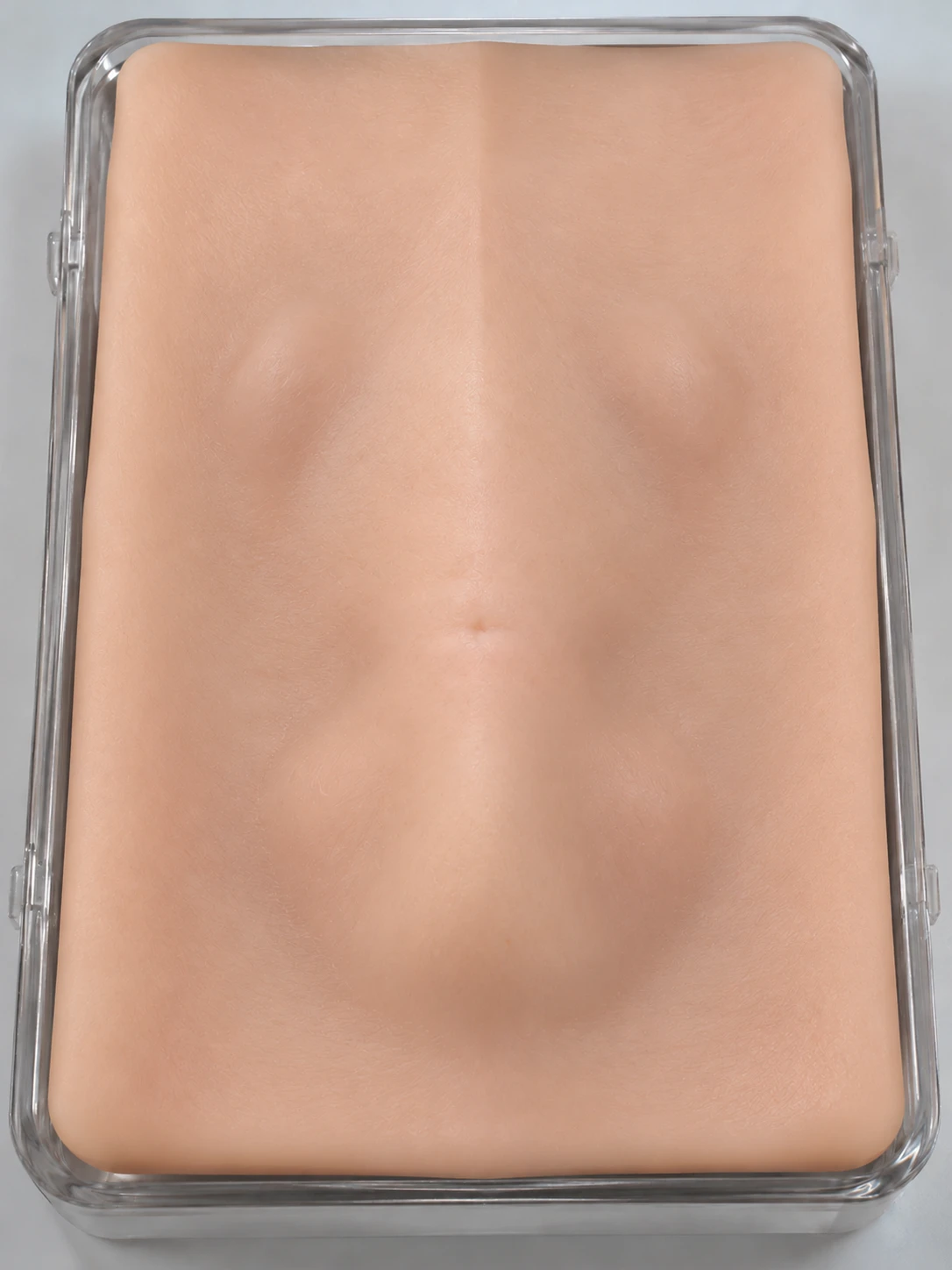
A contained tissue model for supervised hands-on skills sessions.
VetLifes is a brand of Axes Medverse Private Limited. Products are intended for veterinary education, training and demonstration. Appearance and specification may vary with agreed customisation. Model-specific delivery, quantities and warranty conditions should be confirmed in the quotation.