Species-specific anatomy
Use comparative anatomy and digital views to introduce structures and their spatial relationships.
 Let’s talk ↗
Veterinary learners have to transfer anatomy and technical skills across species, sizes and presentations. Structured simulation gives them more opportunities to practise before supervised live-animal work.
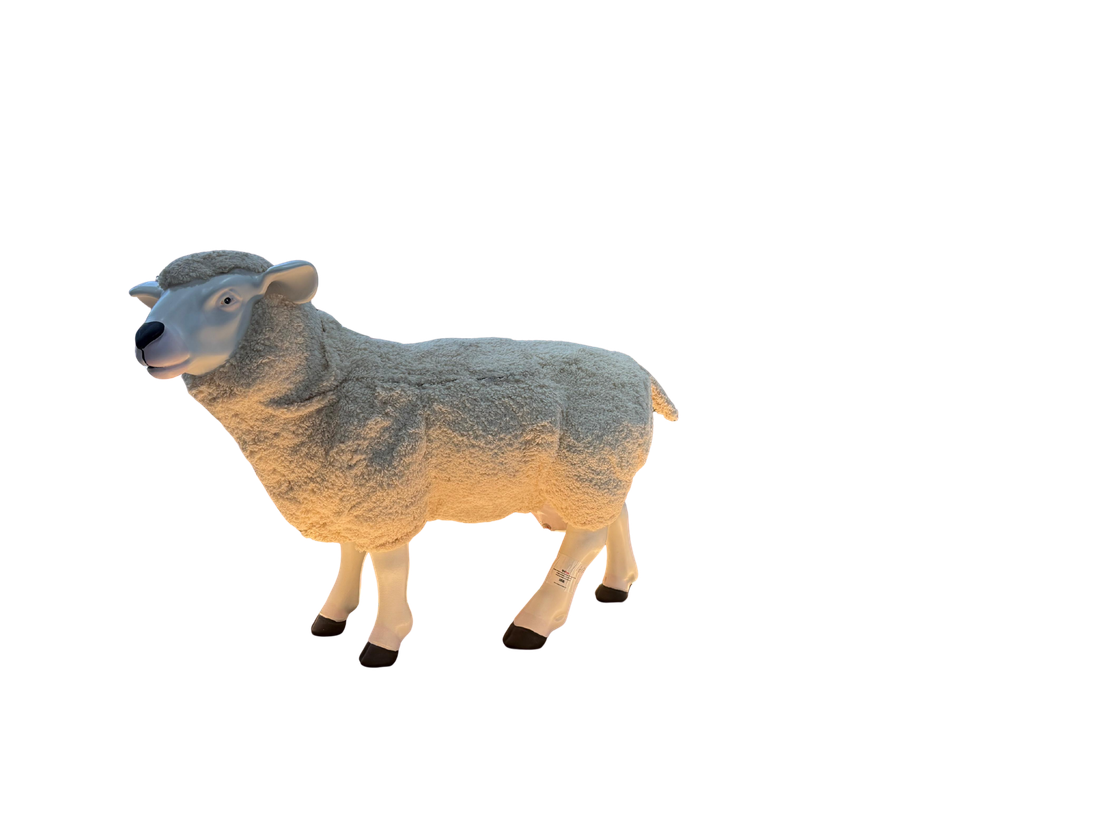
Use comparative anatomy and digital views to introduce structures and their spatial relationships.
Use trainers for curriculum-aligned objectives such as positioning, handling, suturing and recognition of landmarks.
Give learners repeated exposure to defined presentations with a consistent briefing and debrief.
Weighted mean effect size in a veterinary education meta-analysis. A standardized effect size expresses a difference between groups on a common scale.
Study design and instructional choices affected the results. The finding supports integrating simulation with feedback, supervision and appropriate assessment.
Explore VetLifes trainers